The reality in UK workplaces
Mental health issues such as stress, depression, and anxiety cost UK employers £42–£45 billion every year through sickness absence, presenteeism (working when unwell), and staff turnover. Behind these numbers are real people, teams under pressure, and tasks left undone.
Mental ill-health is one of the leading causes of sickness absence, responsible for 39% of short‑term absence (≤4 weeks) and 63% of long‑term absence (>4 weeks) .

In 2022/23, UK workplaces lost 17.1 million working days to work‑related stress, depression, or anxiety.
Employers are paying for this financially and culturally. Some studies show that for industrial wellness programmes, every £1 invested can save £4–£5 through reduced absence and improved retention.
Inclusive organisations outperform
Research shows that organisations that prioritise inclusion significantly outperform those that don’t:
- 2× more economic profit
- 3× as likely to be high performing
- 2× more likely to meet or exceed financial targets
- 6× more likely to be innovative and agile
- 8× more likely to achieve better business outcomes
What happens when mental health becomes a priority
When businesses make mental health a priority, here’s what we see unfold:
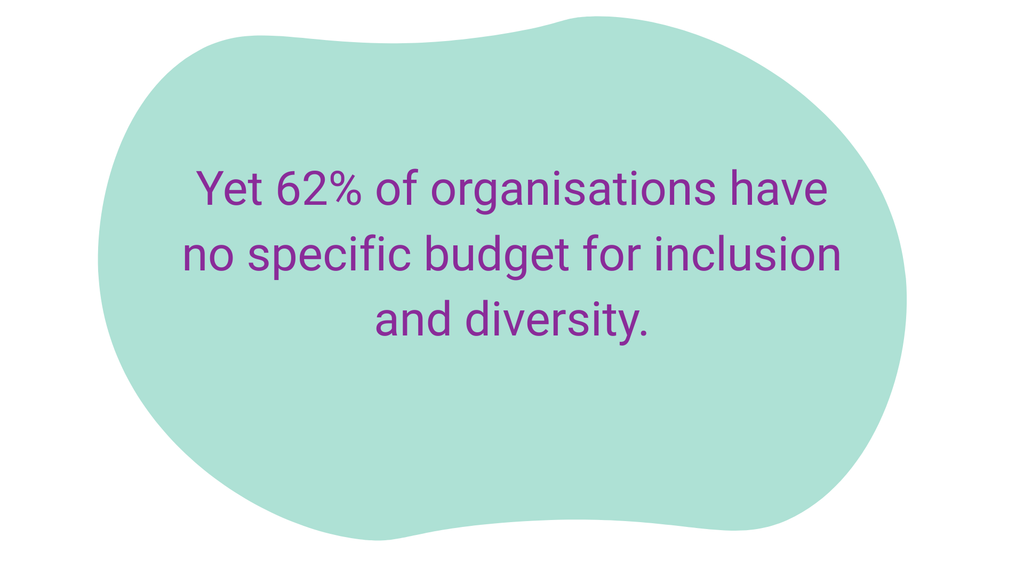
- Real budget and resources committed to mental health support with impact monitoring to ensure adaptations where needed.
- Clear communication so that everyone knows what’s available, who leads it and how to access it.
- Leaders show up: encouraging use of support and modelling vulnerability.
- Staff have the tools and training to confidently navigate mental health conversations.
- Inclusive recruitment and onboarding practices that welcomes all identities and ensures new staff feel informed and confident from day one.
- Clear job descriptions and HR policies that help staff feel respected, know what mental health means in the organisation, and set healthy boundaries.
- Regular check‑ins and meaningful connection built into everyday routines
Inclusion sticks when it’s woven in, not added on.
Why this matters to your organisation
Mental health inclusion isn’t a “nice to have”. It’s a core part of building a healthy, productive, and resilient workforce. When people feel safe, supported, and able to ask for help, organisations thrive.
If you’re ready to explore what this could look like in your workplace, book a free discovery call.